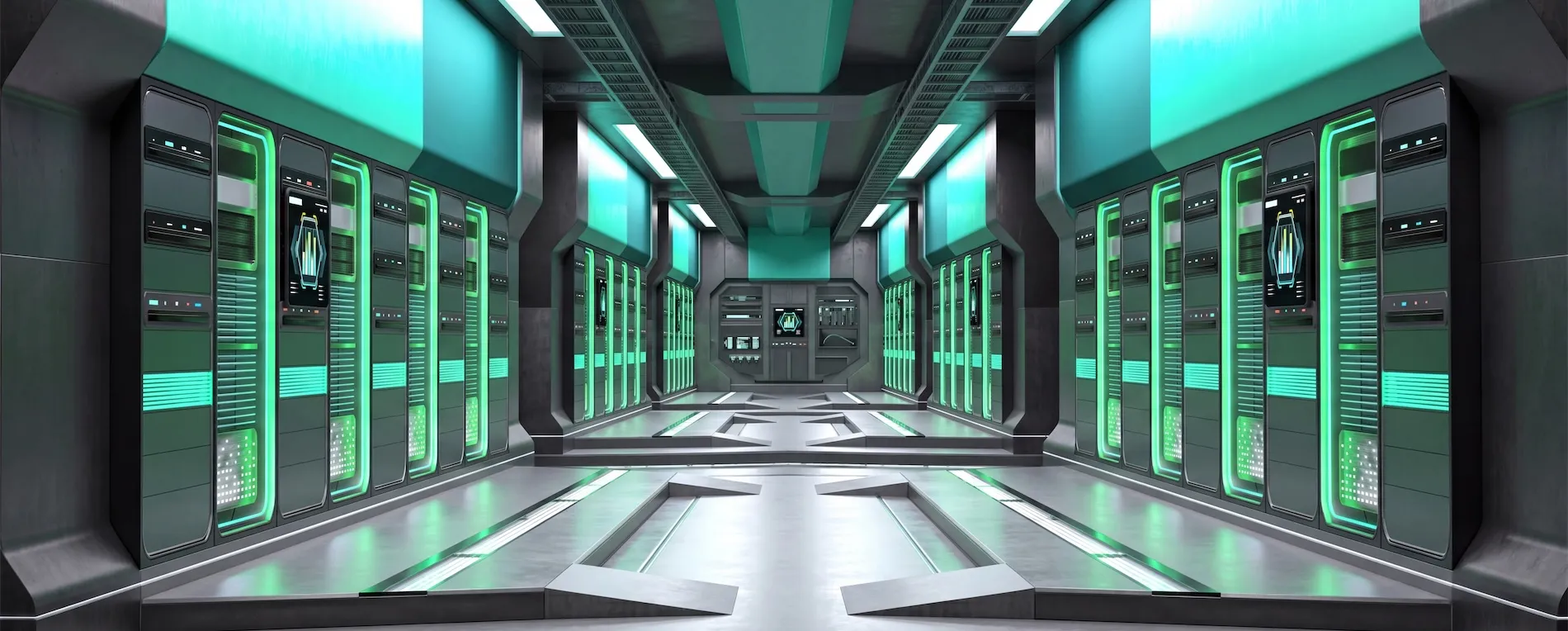
We consistently work to reduce energy consumption in our offices and data centers by combining technological solutions and responsible infrastructure management.
Our approach to managing energy consumption
For Kaspersky, energy efficiency is an important part of sustainable development and reducing our environmental impact. We manage energy consumption in both office spaces and data centers by deploying cutting‑edge technologies, upgrading equipment, and optimizing processes.
The Company's headquarters are located in the Olympia Park business center in Moscow, which has an A‑class energy efficiency rating and is BREEAMThe Building Research Establishment Environmental Assessment Method, developed by the British company BRE Global, is a standard or method for assessing the efficiency and environmental friendliness of buildings. certified. Energy‑efficient materials and technologies were incorporated during construction of the building.
In our office, we use LED lighting fixtures, motion sensors, and automatic lighting controls that account for the level of natural daylight. These solutions allow us to reduce energy consumption without compromising employee comfort. Similar LED lighting is also used in the business center’s parking lot.
Current power consumption
GRI 302‑1
8,585MWh
of total electricity consumption in 2025
In 2024–2025, the Company’s total electricity consumption increased slightly. This is due to natural business growth, expanded capacity at data centers, and the increased use of AI‑based solutions for working with large volumes of data. Such technologies require significant computing resources and are therefore highly energy‑intensive.
At the same time, by consistently implementing energy efficiency programs, we have reduced electricity consumption at the Company's offices, despite the overall development and growth of our operations.
SASB TC‑SI‑130a.1
Energy consumption at KasperskyThis disclosure includes AO Kaspersky Lab's Moscow office, which includes the Company's data center. Information was not collected for the remaining offices during the reporting period., kWh
Energy efficiency of data centers
GRI 302‑4, SASB TC‑SI‑130a.3
PUE of 2
Kaspersky data centers' energy efficiency score
Data centers are one of the main sources of energy consumption in the IT industry. Energy is required for round‑the‑clock operation of numerous servers and the industrial air conditioners required to cool them. Kaspersky uses its own data center, which includes 33 server racks to support the user infrastructure and back office, as well as leased data centers for our development needs.
Our data center is connected to two independent substations. In the event of an emergency, a backup diesel generator allows the servers to continue operating for approximately 10 hours after all other power sources are disconnected. The batteries in uninterruptible power supplies (UPS systems) can keep servers running for 30 minutes, but their main purpose is to protect against short‑term outages and seamlessly switch from city power to the diesel generator. The server room uses an environmentally friendly gaseous fire suppression system.
All electrical equipment is inspected regularly. The generator is started up for testing at idle speed once every two weeks and is started up under load once per quarter. The fuel in the generator is replaced annually. The uninterruptible power supply system is maintained quarterly and monthly. The construction of the data center involved energy‑efficient technologies, including intelligent temperature controllers and occupancy sensors for lighting.
We also reduce energy consumption in data centers by upgrading computing equipment. We replace outdated equipment with new equipment that delivers greater performance per unit of power. We need fewer cables and racks by deploying servers with virtualization environments and solid‑state drives (SSDs). We recycle old computer equipment and donate keyboards, laptops, monitors, and phones to charity.
We place high demands on data center infrastructure and employ energy‑efficient solutions. In particular, during the cold season, we cool the data center naturally using outside air. We expand servers' permissible operating temperature range to 22–24°C and organize cold‑ and hot‑air aisles. To prevent leaks of the refrigerants used in cooling systems, our staff checks the cooling equipment twice a day. If a leak is detected, the equipment is switched off, the refrigerant supply is shut off, and the gas is evacuated into a special cylinder.
To evaluate the efficiency of data centers, we use the Power Usage Effectiveness (PUE) metric, which is calculated as the ratio of the data center's total energy consumption to the energy consumption of the IT equipment.
In 2024–2025, our data centers had a PUE of 2, whereas the global average in 2024 was 1.56, according to the Uptime Institute, an international data center certification organization.